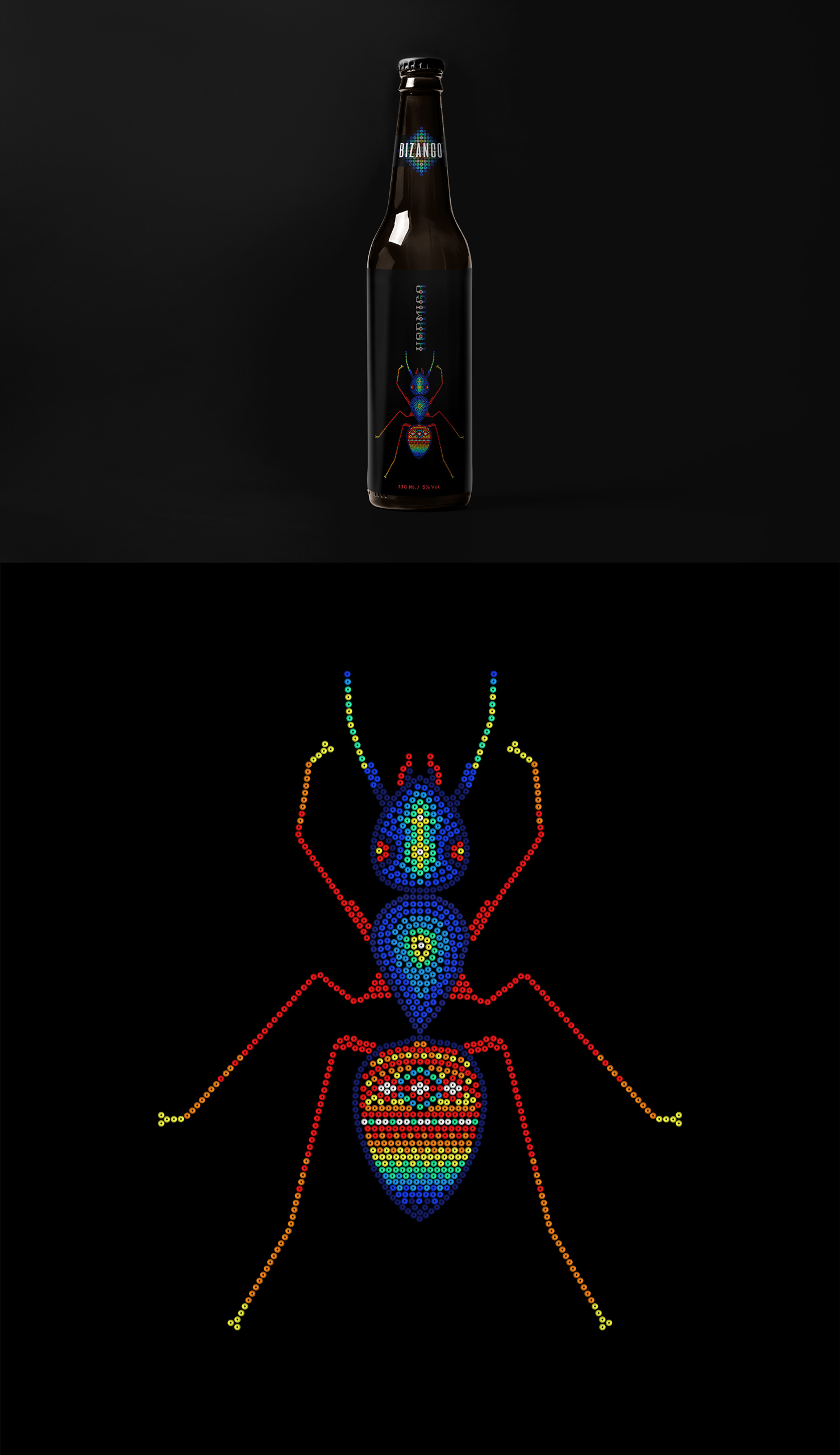

Founded in 2013 in Coyoacán, Mexico City, the Bizango brewery was established by Carlos Zaldívar and Victor Zaldívar, who aimed to create five distinct craft beer experiences.
The name comes from Haitian secret Vodou societies and was adopted as the company name because the brothers liked the way it sounds and its meaning.
The project was developed in collaboration with Marchante in 2017 and 2019.

To become the preferred choice for friends and family, a traditional Mexican theme with festive accents was established from the outset. It was essential to strike a balance between accessibility, playfulness, and maturity to attract consumers of all ages.
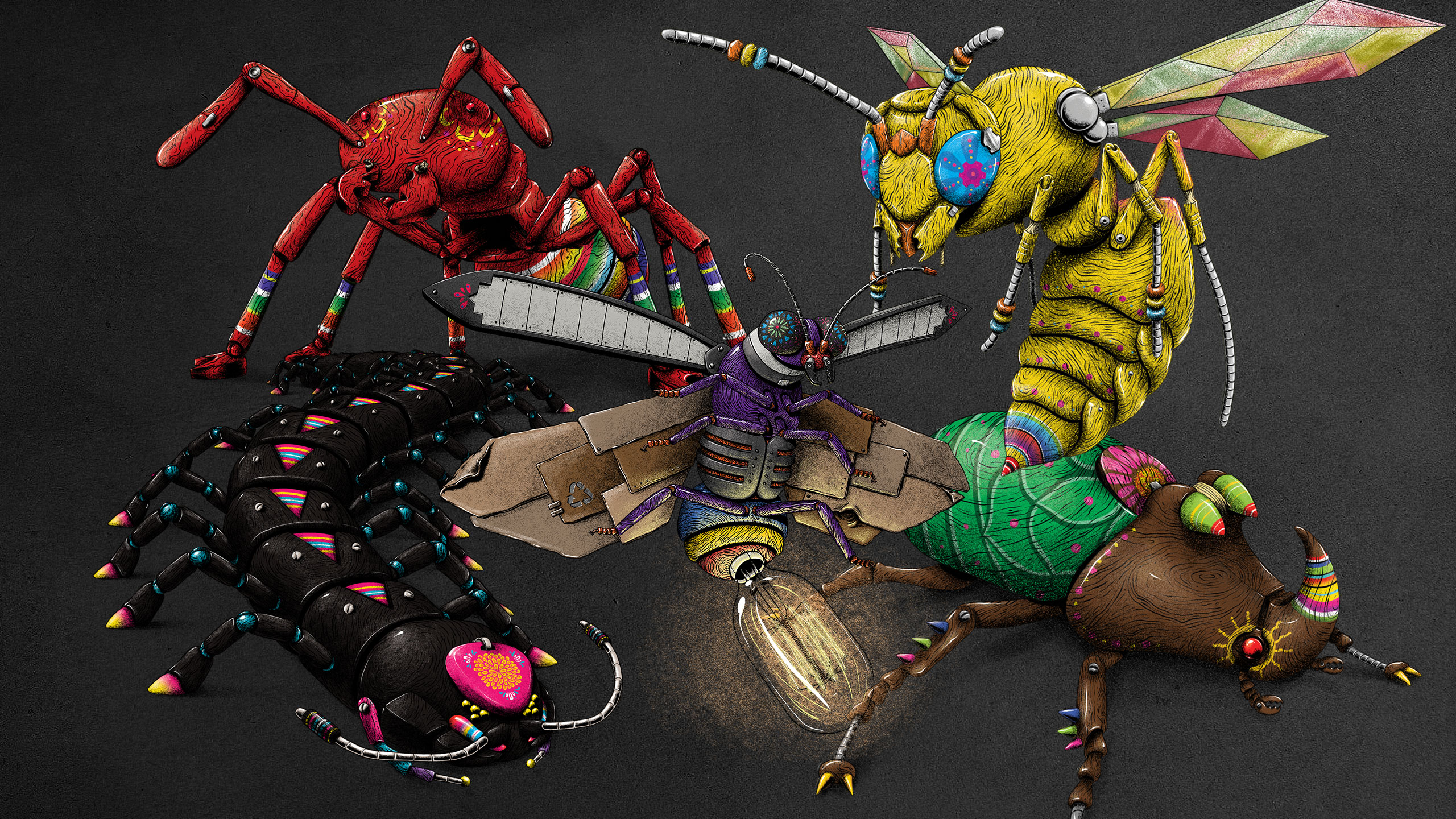
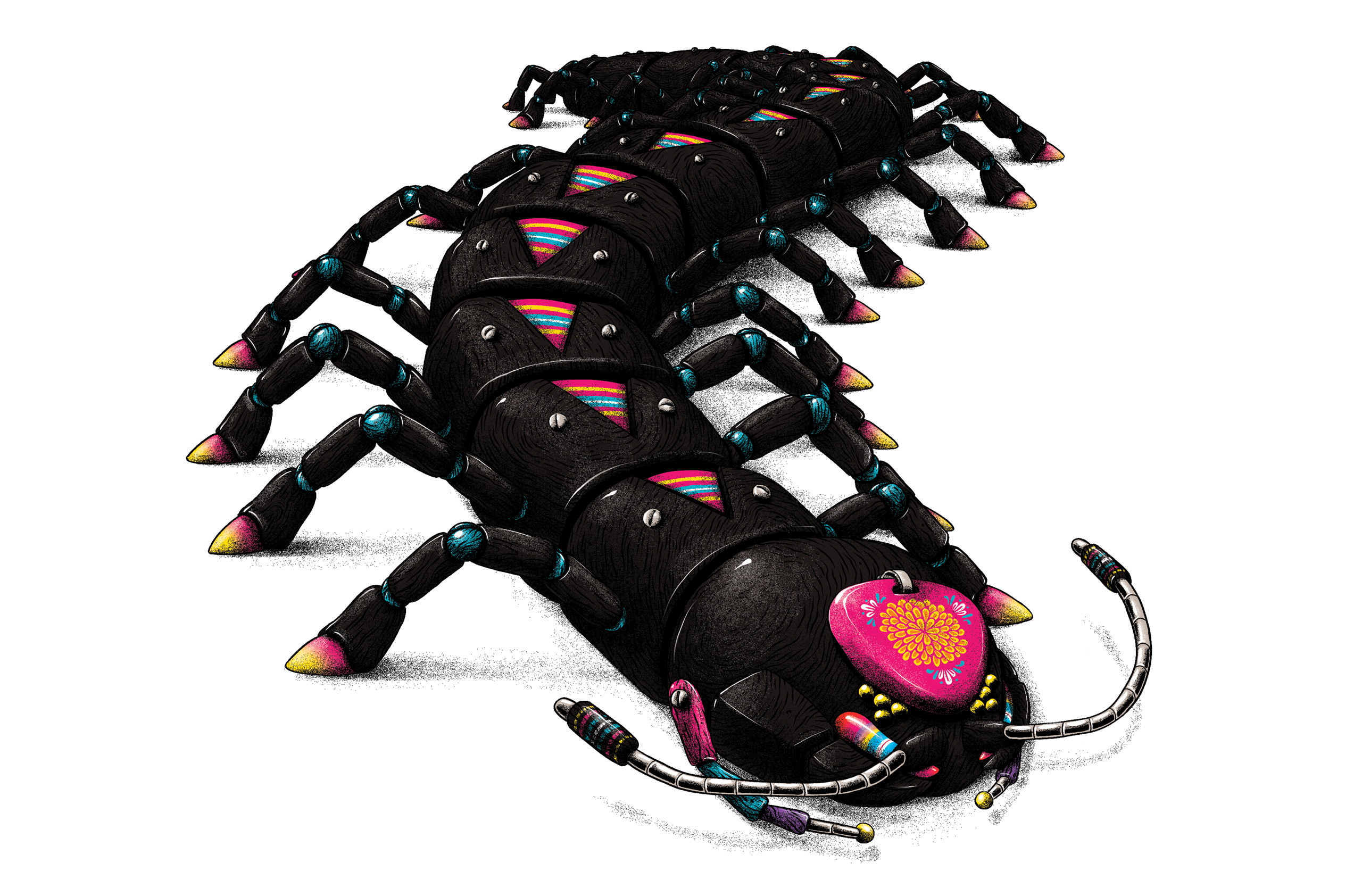
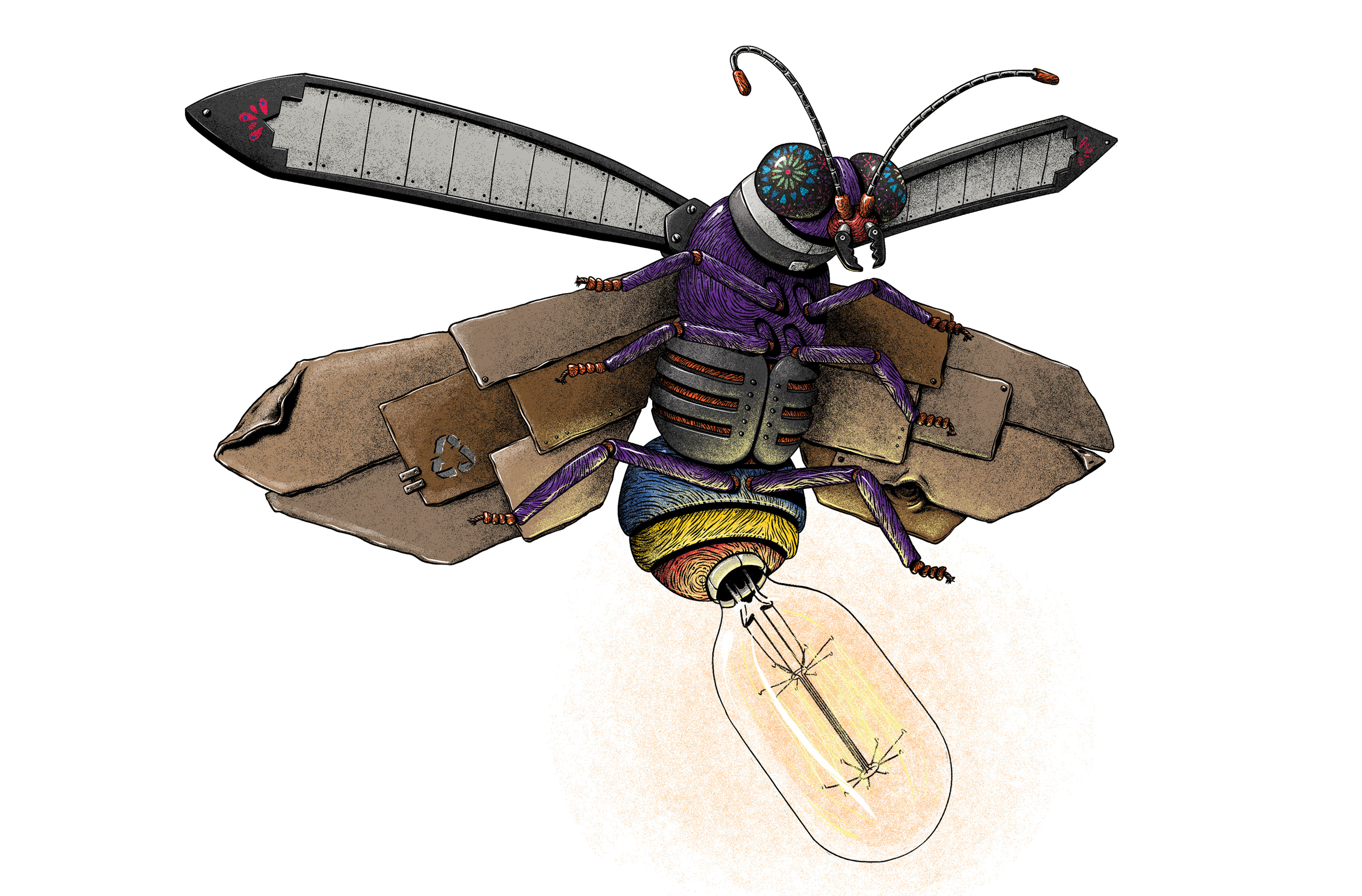
Their lineup consists of: Hormiga (American Pale Ale), Escarabajo (Robust Porter), Avispa (Belgian Blond), Ciempiés (Imperial Coffee Stout), and Luciérnaga (Dubbel).
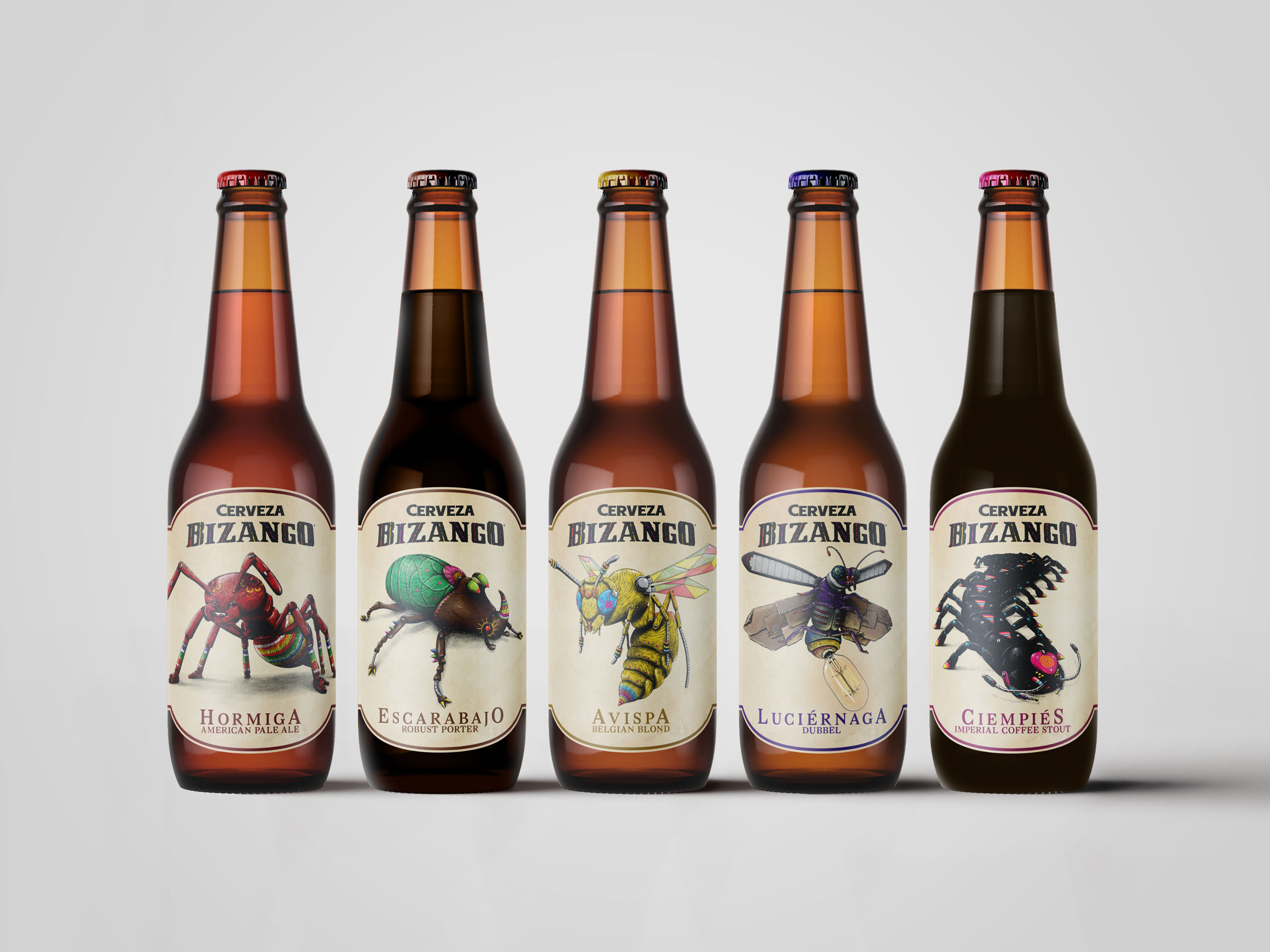
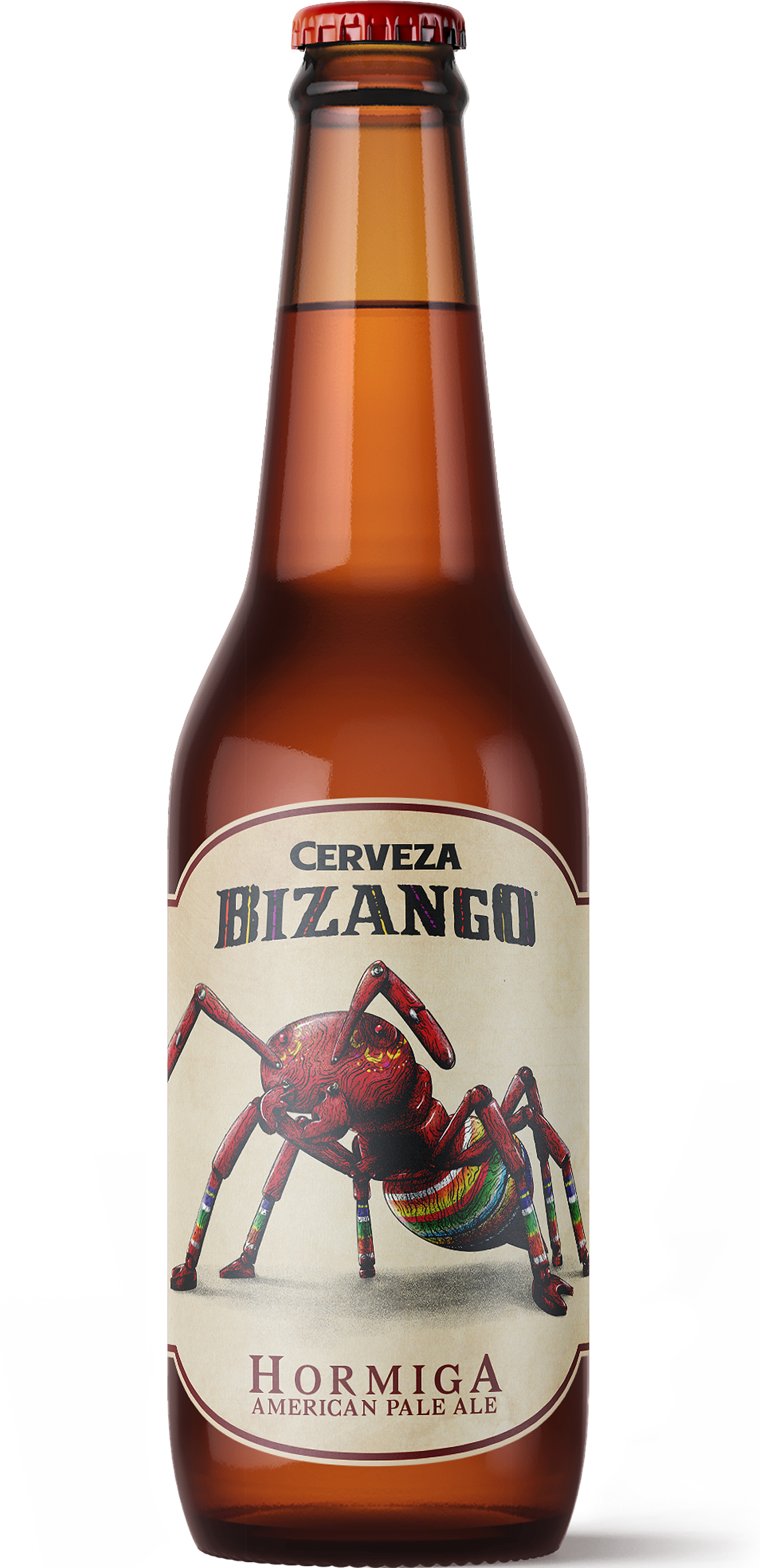
They sought something distinctly Mexican, potentially inspired by alebrijes (fantastical Mexican folk-art sculptures).
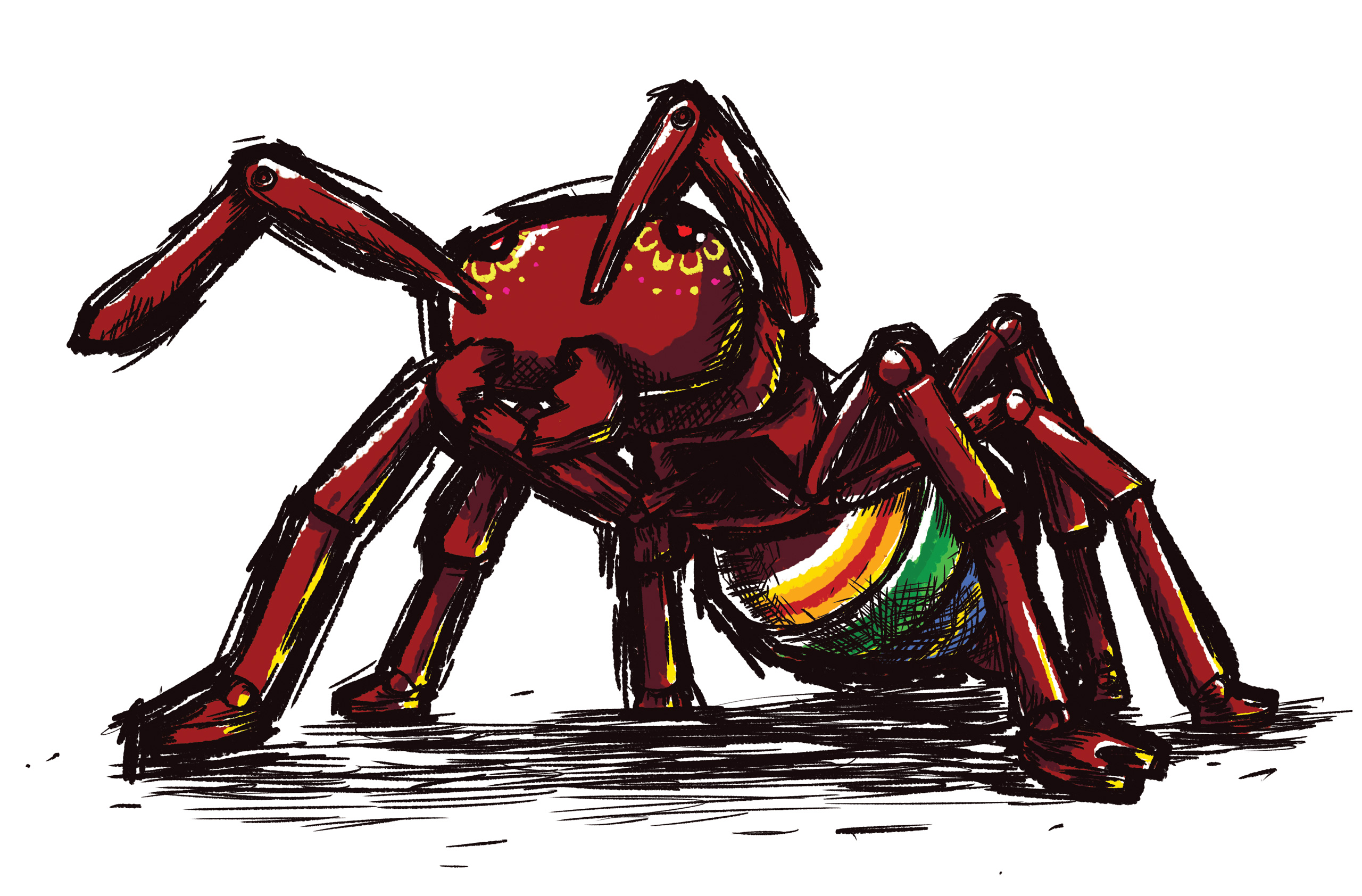
Among the proposals, the “art toy” concept stood out, featuring a high-quality illustration of a wooden ant painted in the style of a traditional Mexican handcrafted toy.
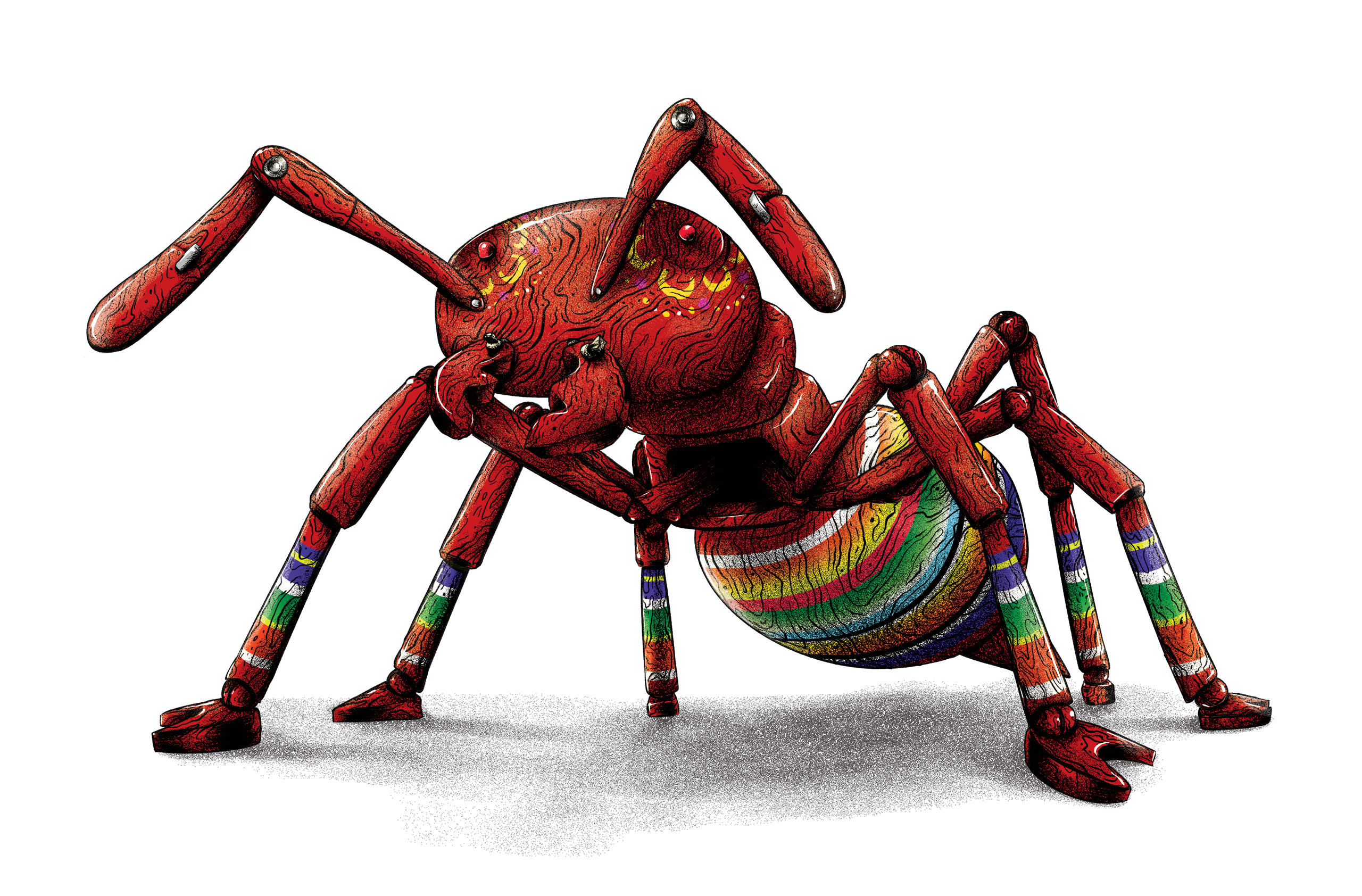
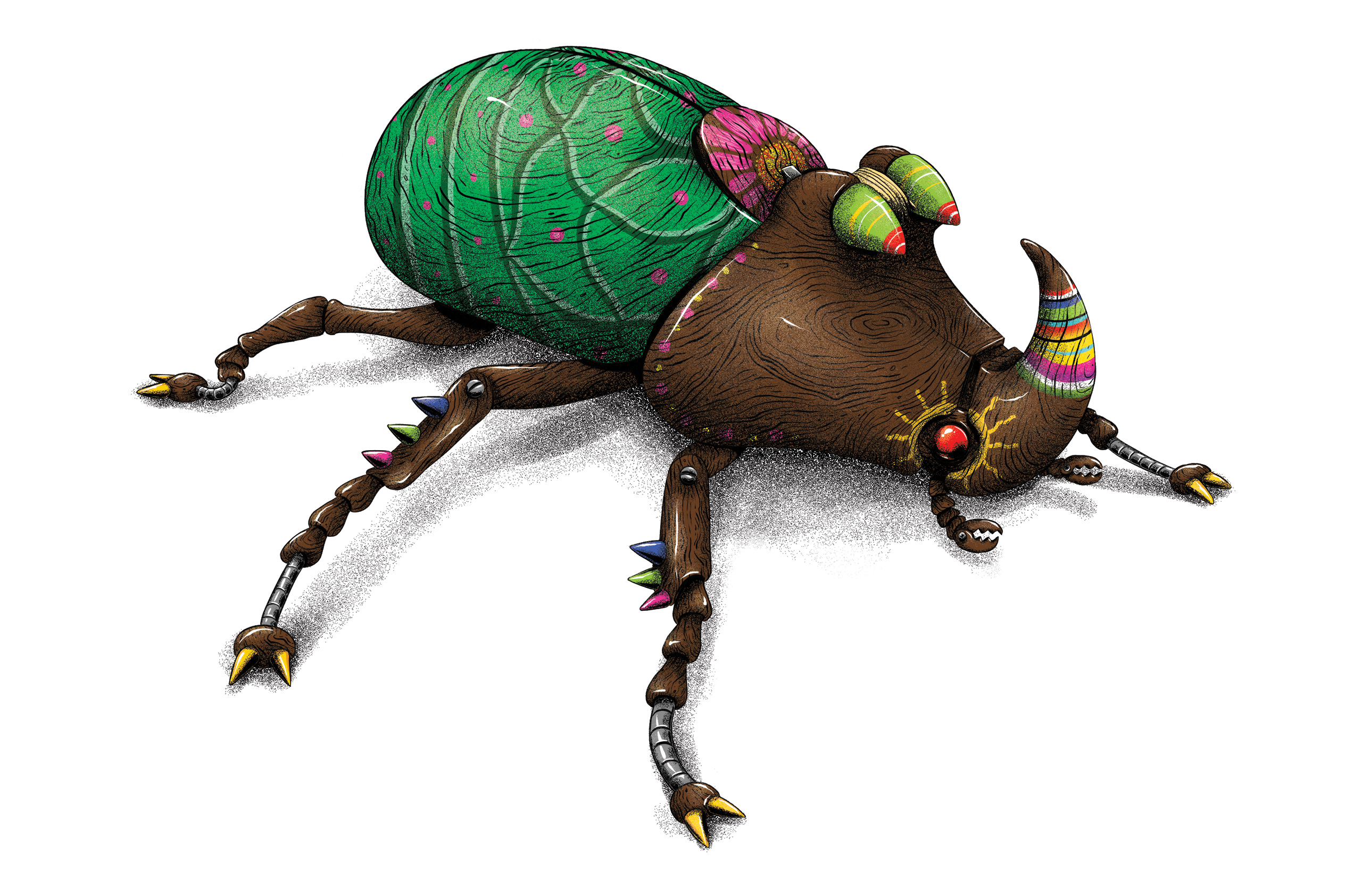
“Hormiga”, “Escarabajo”, and “Avispa” were the first designs produced in February 2017.
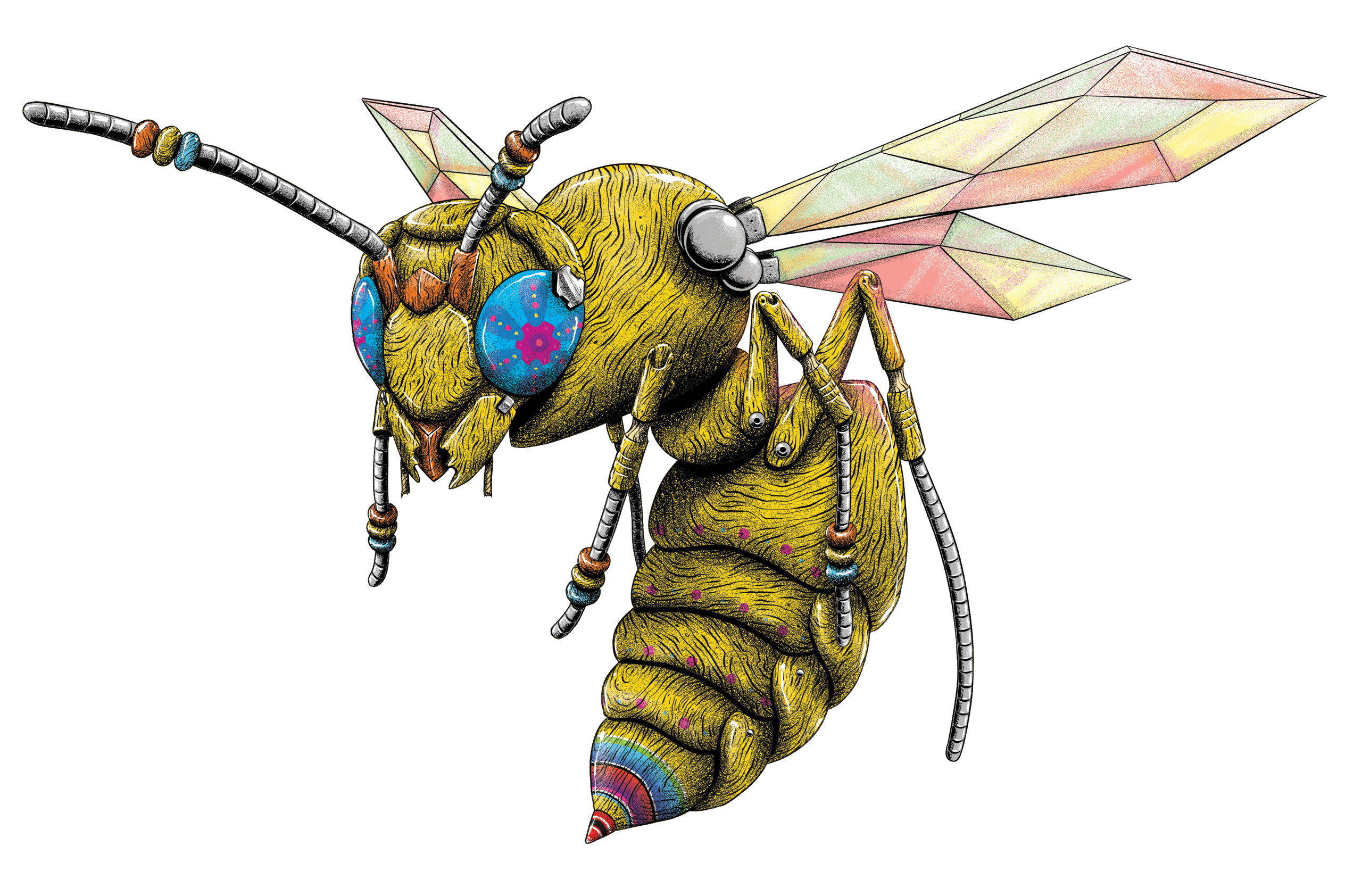
In September 2019, the brothers commissioned Marchante to create two new creatures for the release of “Ciempiés” and Luciérnaga”.
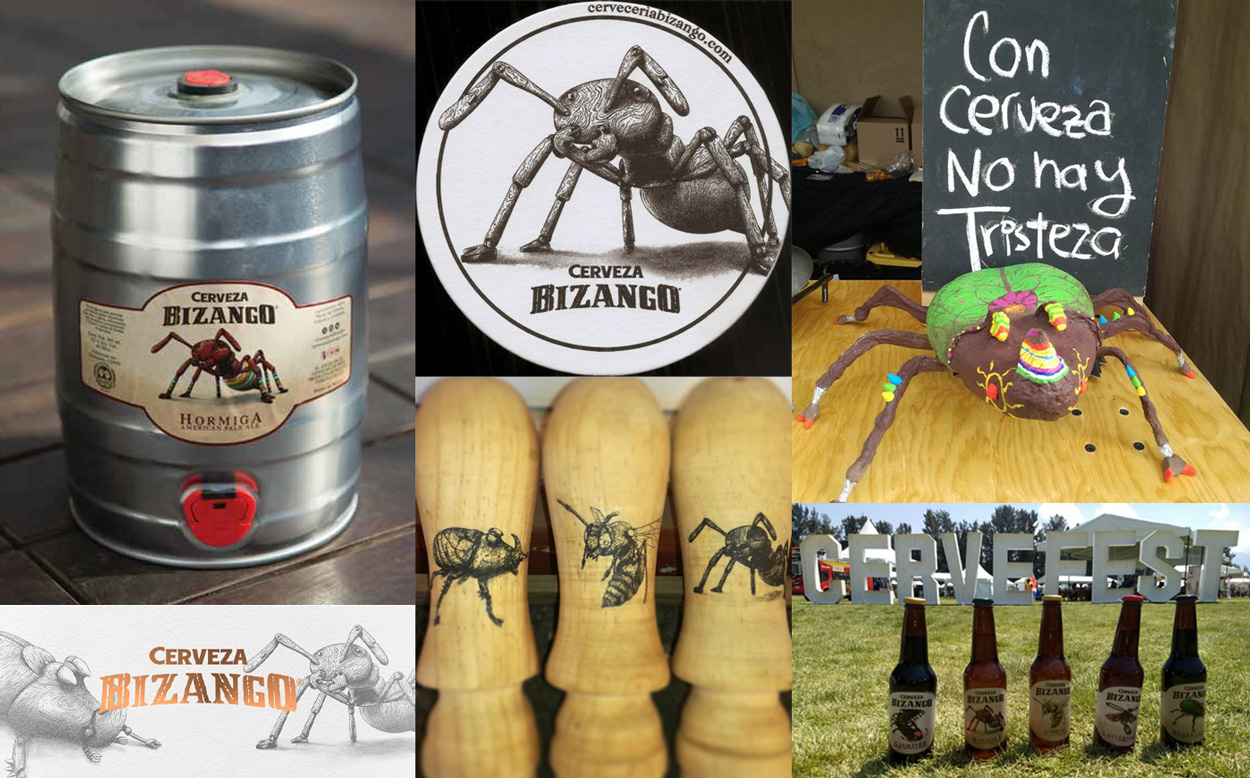
The brand’s image was well received, positioning Bizango as “a craft beer for everyone”.
One of the greatest experiences I’ve had was discovering that they had made a piñata using one of the designs.
Definitely one of my favorite projects.
And here’s a photo of the Zaldivar brothers holding an open copy of “Historias de Malta”, a beautifully produced hardcover chronicling craft brewers across Mexico (free download available).
To see more work produced around the same time period, check out Marchante.

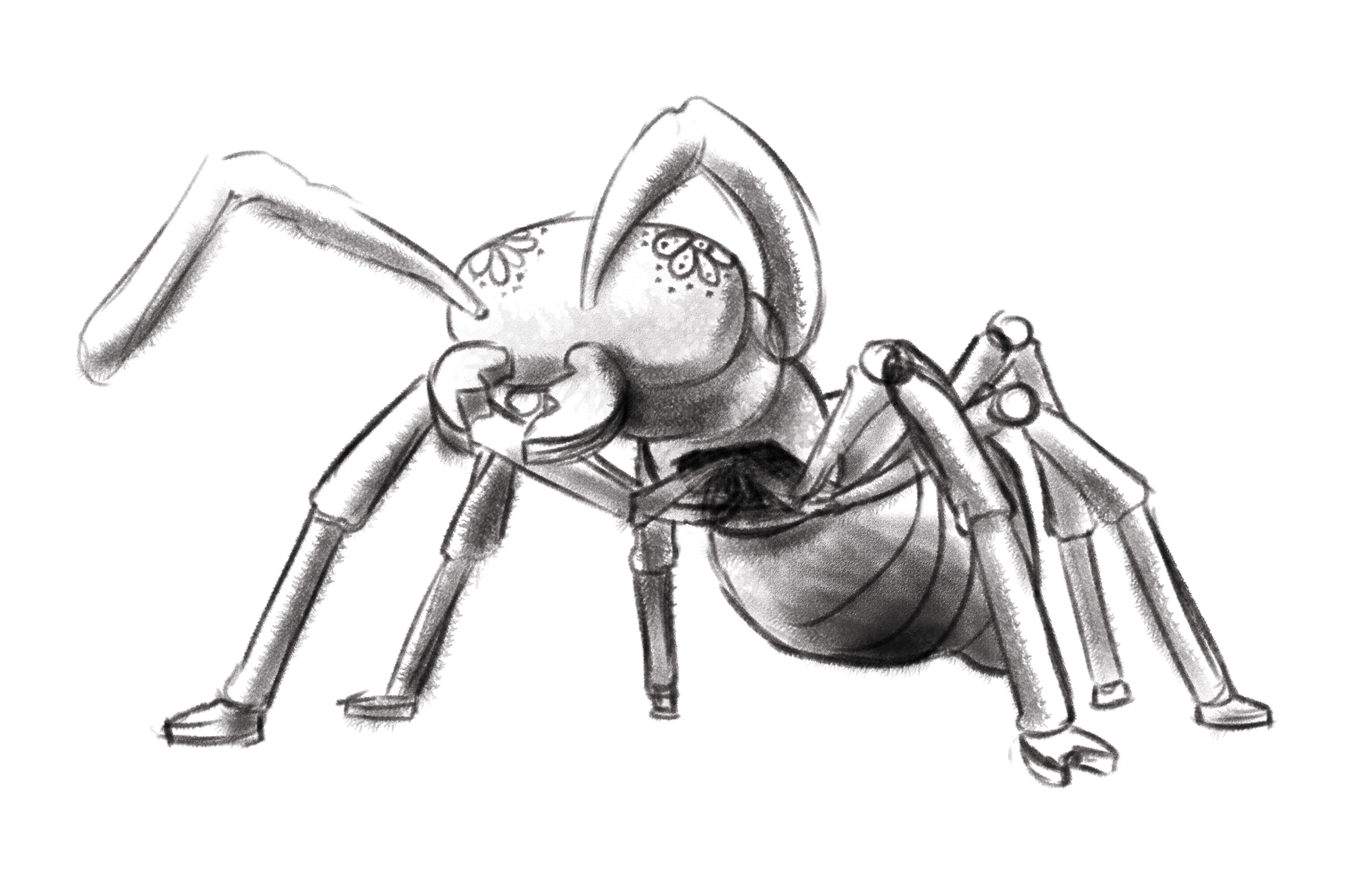
The “art toy” concept was selected as the main proposal, so I defined a finished art style for this illustration, whereas the other proposals remained rough studies.
The low-level view of the ant was deliberate, as these are not “just toys” but something with greater presence. I approached the design as if it could physically exist as an artisan-made wooden piece.